Transaction management doesn't have a signing problem — it has a coordination problem. DocuSign and Dotloop solve different halves of it . Most guides treat them as direct competitors when they're built for different workflows. While both companies offer plans specifically for the real estate industry, dotloop's entire business model is focused entirely toward realtors. For realtors that already have a management system set up and just want a signing solution, DocuSign may be a good fit. We tested both platforms to see which handles real estate transactions better and found that the choice depends on whether you need signing or managing.
The short answer
Dotloop provides an end-to-end transaction management solution for realtors. The platform is designed to guide agents, sellers, and buyers through the entire process. DocuSign, meanwhile, specializes in signing and routing, making it a powerful tool when used alongside other real estate software. If you need an all-in-one workspace, choose Dotloop. If you need bulletproof signing with maximum integration options, choose DocuSign.
Head-to-Head: Feature Comparison
Workflow Management
Unlike generic platforms, Dotloop offers an end-to-end transaction management system that mirrors the actual process agents follow when closing deals. Everything from document creation to signing and compliance tracking happens within one unified workspace, known as a "loop." Unlike generalist platforms, Dotloop emphasizes loop-based organization—grouping all deal docs in one secure space—to reduce errors in residential closings.
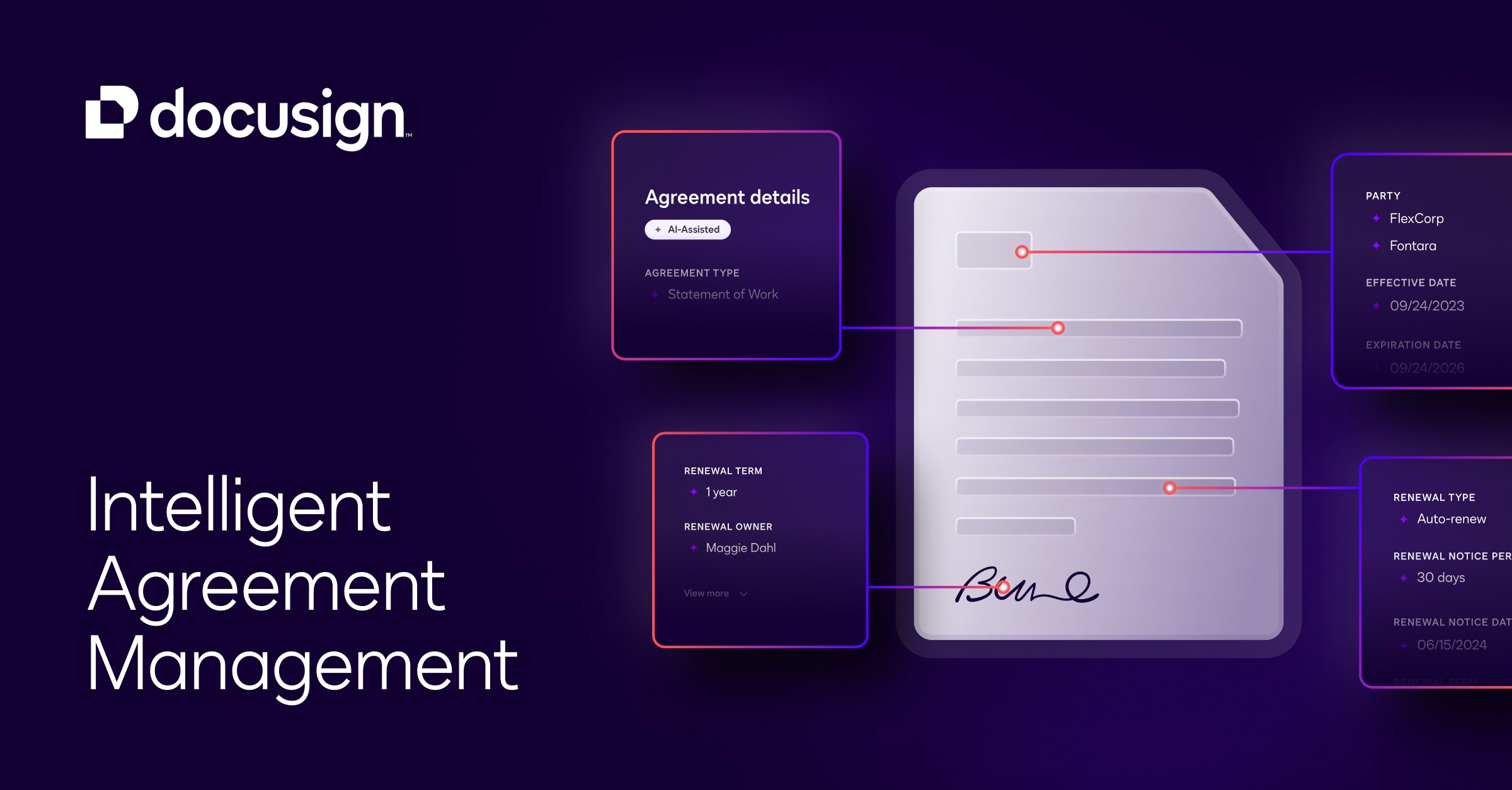
DocuSign takes the opposite approach. For real estate agents, DocuSign's Intelligent Agreement Management (IAM) and Contract Lifecycle Management (CLM) modules extend beyond basic signing: IAM automates identity verification and risk assessment, while CLM handles end-to-end contract workflows, including negotiation tracking and integrations with CRM tools like Salesforce or real estate-specific software like Lone Wolf.
Mobile Experience
Dotloop excels here, with its real estate-centric dashboard that mirrors the transaction lifecycle—from offer to closing. Agents can create "loops" for each property, inviting parties to comment and sign without leaving the app. This reduces back-and-forth emails, a common pain point in residential deals. For agents juggling open houses and showings, Dotloop's simplicity might save hours weekly.
DocuSign, while user-friendly, feels more generalist; its mobile app is robust for on-the-go signing, but navigating templates for real estate forms requires more setup. However, DocuSign is generally seen as slightly easier for clients. Its signing process is very simple, clean, and well-known, which gives clients confidence.
Integration Capabilities
Dotloop connects with some other software, but DocuSign is known for having many more integrations. If you use a lot of different apps, DocuSign is often the more flexible choice. Boasting more than 400 integrations, Docusign knows a thing or two about the importance of systems that speak to and work with each other.
Though dotloop offers a library of more than 75 integrations — from customer relationship management (CRM) systems and accounting tools to marketing solutions and payment processors — these integrations are primarily geared toward the real estate industry. So, if you're a real estate agent or broker, you can easily use these third-party platforms to attract residential and commercial buyers and sellers, manage leads, and shorten the sales cycle.
Comparison Table
| Feature | DocuSign | Dotloop |
|---|---|---|
| Starting Price | $15/month | Free (limited features) |
| Best For | Established workflows | All-in-one management |
| Integrations | 400+ (all industries) | 75+ (real estate focused) |
| Main Limitation | Generic interface | Performance with large files |
01. DocuSign
DocuSign is the industry-leading electronic signature platform used by millions of real estate professionals for secure, legally-binding document signing. The platform's strength lies in its universal recognition and extensive integration ecosystem.
"This is the service the Tennessee Association of Realtors endorses and now gives free to its members with Instanet Forms. I have used it for 4 years now and it is so easy that I can use it on my smartphone or tablet," said one REMAX River City agent.
Best for: Teams needing reliable signing with existing transaction management systems
Starting price: $15/month (Real Estate Starter)
Not for you if: You need document creation and transaction coordination in one platform
Read our full DocuSign review →
02. Dotloop
Dotloop isn't just another eSignature tool—it was built from the ground up with real estate professionals in mind. Unlike generic platforms, Dotloop offers an end-to-end transaction management system that mirrors the actual process agents follow when closing deals.
"We found that dotloop was able to combine 3 different platforms we already had in place and unify it into one platform," noted one SoftwareConnect.com reviewer.
Best for: Agents wanting to manage entire transactions from one dashboard
Starting price: Free (basic features), $31.99/month (Premium)
Not for you if: You primarily need signing and already have workflow systems in place
Read our full Dotloop review →
Our pick
If you want a simple signing tool, start with DocuSign. If you want to learn one system that can manage your entire workflow as you get busier, Dotloop is a great choice. For most agents starting out, Dotloop's free tier offers more value than DocuSign's $15 monthly minimum. But if client recognition matters and you already have transaction management sorted, DocuSign's reliability makes it worth the cost.
Disclosure: nichetool.ai earns a commission when you subscribe to some of the tools through our links — this is how we keep the platform free for practitioners. It never influences which tools we list, how we rank them, or what Vega recommends.